



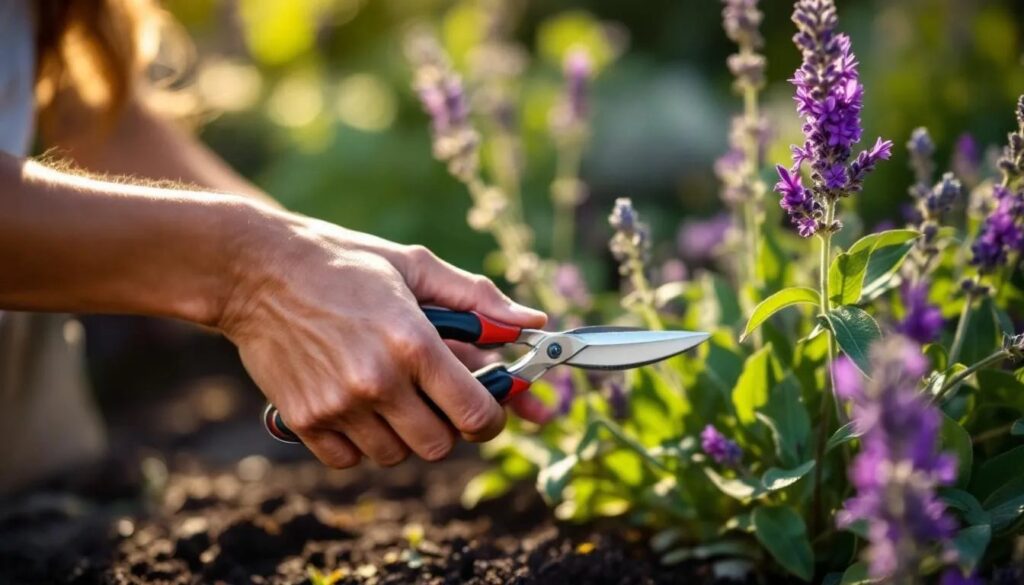
Spring is finally here, and with it comes the best gardening question of the year: how do you fill your beds with color without spending every weekend deadheading, dividing, and nursing plants back from the brink? The answer lies in perennials — plants that come back year after year, building stronger root systems each season and rewarding patience with increasingly generous blooms. As the soil warms and the last frost dates pass across most growing zones this late March, now is exactly the right moment to plan, plant, or expand a low-maintenance perennial border that will carry you from spring through the first hard freeze.
The 16 perennials gathered here were chosen for one reason above all others: they perform without fuss. No complex staking routines, no weekly feeding schedules, no anxious monitoring for pest outbreaks. Each one flowers across an extended window, meaning your garden stays alive with color from the first warm days of April through October and beyond. Pick one or pick all sixteen — plant them this spring, and the work you put in now will keep paying dividends for a decade.
| Planting time | Spring (March–May) or early fall |
| Bloom season coverage | April through October (combined) |
| Maintenance level | Low — beginner to intermediate |
| Best season to start | Spring — ideal timing as of late March 2026 |
| Typical plant lifespan | 5–20+ years depending on species |
1. Coneflower (Echinacea purpurea)
Few perennials earn their place in a low-maintenance garden as convincingly as coneflower. The daisy-like blooms in shades of purple, pink, white, and orange open from midsummer and persist well into fall. Deadheading extends the flower display, but if you leave the seed heads standing through winter, birds will visit the garden long after the last petal drops. Coneflower tolerates drought once established, thrives in full sun, and self-seeds modestly without becoming invasive.
2. Black-Eyed Susan (Rudbeckia fulgida)
The golden-yellow, dark-centered flowers of black-eyed Susan are synonymous with late summer color, but modern cultivars like Rudbeckia fulgida 'Goldsturm' begin blooming in July and keep going until frost. Plants form tidy clumps that expand slowly over the years, making division every three to four years an easy way to multiply your stock. Full sun and average, well-drained soil are all it needs. This is one of the most reliable performers in any cutting garden.
3. Salvia (Salvia nemorosa)
Ornamental salvias produce upright spikes of violet-blue, pink, or white flowers from late spring onward. Cut the spent spikes back by roughly two-thirds after the first flush fades, and a second wave of bloom emerges within weeks. Plants are exceptionally drought-tolerant, deer-resistant, and attractive to bees and butterflies — an almost textbook example of a low-effort, high-reward perennial. 'Caradonna' and 'May Night' are two cultivars widely regarded as the most floriferous and longest-blooming.
4. Daylily (Hemerocallis hybrids)
Despite the name, modern reblooming daylily hybrids are anything but one-and-done. Cultivars such as 'Stella de Oro', 'Happy Returns', and 'Rosy Returns' produce successive flushes of bloom from late spring through early fall with minimal intervention. Each individual flower lasts only one day, but a well-established clump carries dozens of buds simultaneously. Daylilies tolerate a wide range of soils, shrug off drought, and spread steadily into dense weed-suppressing mats.
5. Catmint (Nepeta x faassenii)
Catmint produces cascading mounds of soft gray-green foliage smothered in lavender-blue flowers from late spring into summer. Shear the plant back hard after the first bloom and water it in — within a month, a fresh mound of silvery growth appears, topped with a second flush of flowers that carries through to fall. It is one of the most effective front-of-border plants available, tolerates heat, drought, and poor soil, and requires essentially no feeding.
6. Coreopsis (Coreopsis verticillata)
Threadleaf coreopsis forms airy, feathery clumps covered in bright yellow or pink daisy flowers from early summer through fall — a genuinely long season by any measure. 'Moonbeam', with its soft butter-yellow blooms, remains one of the best-selling perennials in North America for good reason: it flowers for months, never needs staking, and improves with each passing year. Deadhead lightly to tidy up, or leave plants alone entirely and accept a slightly less manicured look in exchange for zero effort.
7. Yarrow (Achillea millefolium)
Yarrow is a workhorse. Its flat-topped flower clusters in shades of yellow, red, orange, pink, and white appear from early summer and, with light deadheading, continue well into fall. The ferny, aromatic foliage is deer-resistant and drought-tolerant to a degree that few perennials can match. Modern seed-selected strains like the Galaxy Series hold their color better in hot sun than older varieties. Divide every two to three years to maintain vigor and prevent the center from dying out.
8. Shasta Daisy (Leucanthemum x superbum)
The classic white-petaled, yellow-centered Shasta daisy has been brightening borders since the late 19th century, and for good reason — it blooms prolifically from early summer through early fall, especially when deadheaded regularly. Modern cultivars like 'Becky' are notably more heat-tolerant and longer-lived than older types. Plant in full sun with well-drained soil and divide every two to three years to keep plants compact and free-flowering.
9. Geranium (Geranium spp.)
Hardy geraniums — not to be confused with tender pelargoniums — are among the most versatile ground-covering perennials available. Species and hybrids range from spring-blooming types like Geranium macrorrhizum to long-season performers like Geranium 'Rozanne', which opens its violet-blue flowers in late spring and continues almost without pause until hard frost. 'Rozanne' in particular has redefined expectations for what a hardy geranium can do: shear it back once in midsummer if it looks tired, and it rebounds with renewed vigor.
10. Penstemon (Penstemon spp.)
Penstemons produce tubular flowers attractive to hummingbirds and bees from late spring through summer. Penstemon digitalis 'Husker Red' is particularly adaptable, tolerating both heat and moderate drought while producing white flowers flushed with pink above distinctive maroon foliage. Deadhead spent stalks promptly to encourage secondary bloom. In colder climates, a light layer of mulch applied in late fall improves winter survival.
11. Blanket Flower (Gaillardia x grandiflora)
Few perennials bloom as long or as brightly as blanket flower. The bold, bicolor flowers in red, orange, and yellow open from late spring and continue relentlessly through fall — even into early winter in mild climates. Plants thrive in poor, dry, sandy soils where richer perennials would sulk, making them ideal for sloped beds or gravelly borders that challenge more demanding plants. Deadhead consistently for the longest bloom period, and divide plants every two to three years since older clumps tend to decline.
12. Balloon Flower (Platycodon grandiflorus)
Balloon flower earns its name from the inflated, balloon-shaped buds that pop open into wide, star-shaped blooms in blue, pink, or white from midsummer onward. It is a slow starter — emerging late in spring, which makes it worth marking in the bed to avoid accidental damage — but once established, it is remarkably long-lived and trouble-free. Deadhead spent flowers to extend bloom, and avoid disturbing the fleshy roots once the plant is in place.
13. Agastache (Agastache spp.)
Hyssop or agastache produces tall, fragrant flower spikes in purple, orange, pink, and white from midsummer through fall. The blooms are magnetic to hummingbirds, bees, and butterflies, and the aromatic foliage deters deer. Agastache 'Blue Fortune' is one of the most reliable cultivars for sustained bloom over a long season. Plants prefer lean, well-drained soils — avoid overwatering or overly rich conditions, which encourage lush growth at the expense of flowers.
14. Russian Sage (Perovskia atriplicifolia)
Russian sage produces clouds of tiny lavender-blue flowers atop silvery-white stems from midsummer until frost, creating an ethereal, billowing effect that few other perennials can replicate. It is exceptionally drought-tolerant once established and thrives in hot, dry conditions that test less resilient plants. Cut stems back to within a few inches of the ground in early spring before new growth emerges. Russian sage pairs beautifully with yellow coneflowers and ornamental grasses in a naturalistic late-summer border.
15. Veronica (Veronica spicata)
Spike speedwell produces neat upright spikes of blue, pink, or white flowers from early summer onward, and deadheading spent spikes consistently prolongs bloom well into fall. Plants are compact, well-behaved, and completely unfussy about soil as long as drainage is adequate. 'Royal Candles' and 'Red Fox' are two cultivars known for particularly long and reliable flowering seasons. Veronica combines naturally with ornamental grasses and daisy-flowered perennials to create a layered, textured border.
16. Sedum / Stonecrop (Hylotelephium spectabile)
Tall sedums — now reclassified as Hylotelephium but still widely sold as sedum — close out the perennial season in style. Flat-topped flower heads in shades of pink, red, and white open from late summer and persist into fall and even winter as attractive dried structures. The succulent foliage is ornamental from the moment it emerges in spring. 'Autumn Joy' remains the classic choice, while newer cultivars like 'Matrona' offer burgundy foliage for an additional season of visual interest. Full sun and well-drained soil are non-negotiable; soggy roots cause crown rot and early decline.
Planting strategies for a continuous bloom sequence
The real power of this plant list lies in combining species with staggered bloom periods. Pair early-season performers like catmint and salvia with midsummer workhorses like coreopsis and blanket flower, then anchor the late-season display with Russian sage, agastache, and sedum. A border designed around this sequence moves through a continuous wave of color rather than a single peak followed by weeks of green foliage. Group plants in threes or fives for visual weight, leave adequate spacing for mature spread, and apply a two-inch layer of composted mulch after planting to conserve moisture through the warmer months ahead.
The professional tip
The single most effective thing you can do to extend bloom season across all 16 of these perennials is to deadhead consistently during the first year of establishment. In subsequent years, as root systems deepen and plants become self-sufficient, you can dial back the deadheading on more forgiving species like coneflower and sedum and let them set seed — the birds will thank you in winter. As you plant this spring, scratch a slow-release granular fertilizer into the planting hole at the rate recommended on the packaging: this feeds the root system through the first growing season without encouraging the overly lush, floppy growth that a liquid fertilizer applied too generously can produce.
Soil preparation and ongoing care
Most of these 16 perennials perform best in well-drained, moderately fertile soil. Before planting, work in two to three inches of compost to improve both drainage in heavy clay soils and water retention in sandy ones. A soil pH between 6.0 and 7.0 suits the majority of species listed here. Annual top-dressing with a thin layer of compost in early spring is usually sufficient to maintain fertility without the risk of overstimulation. Division every three to five years keeps clumps vigorous and free-flowering — and it multiplies your stock at zero cost.
For further reading
Beyond this list, native plant societies in your region maintain curated recommendations for perennials adapted to local climate, soil type, and rainfall patterns — a valuable resource for gardeners in regions with particularly hot summers, cold winters, or challenging soils. Many of these 16 species are available in regionally selected seed strains or nursery-grown cultivars developed specifically for improved cold-hardiness or heat tolerance. In areas with HOA guidelines or local planting ordinances, check whether native or naturalized species have specific requirements regarding setbacks from property lines or maintenance standards for naturalistic plantings.
Frequently asked questions
When is the best time to plant these perennials?
Late March through May is ideal for most of the species on this list. Spring planting gives roots the entire growing season to establish before facing winter. A few species — including sedum and Russian sage — also transplant successfully in early fall, roughly six weeks before the first expected frost. Container-grown plants purchased from a nursery can technically be planted any time the ground is workable, but spring and early fall carry the lowest risk of transplant stress.
Do these perennials need to be divided, and how often?
Most of the perennials on this list benefit from division every three to five years. Signs that a plant is ready to divide include a hollow or dead center, reduced flowering compared to previous years, or a clump that has grown well beyond its expected mature spread. Division is best carried out in early spring just as new growth emerges, or in early fall. Use a sharp spade or garden fork to lift the entire clump, split it into sections each containing several healthy shoots and a good root mass, and replant immediately at the same depth.
Which of these perennials are deer-resistant?
Catmint, yarrow, salvia, Russian sage, agastache, and sedum are all considered reliably deer-resistant, largely due to their aromatic foliage or tough, unpalatable texture. No plant is completely deer-proof in conditions of high pressure or food scarcity, but these species are among the last that deer will target. Coneflower and daylily, by contrast, are frequently browsed and may need physical protection or repellent spray in areas with heavy deer traffic.
Can these perennials grow in partial shade?
Most of the 16 species listed here prefer full sun — defined as six or more hours of direct sunlight per day. However, hardy geraniums, shasta daisies, and balloon flower tolerate partial shade with reasonable grace, producing slightly fewer flowers than in full sun but maintaining healthy growth. Russian sage, blanket flower, and coreopsis are strictly sun-loving and decline quickly in shaded conditions. If your garden is predominantly shaded, consider supplementing this list with shade-tolerant perennials such as astilbe, hellebore, or hostas.
How do I manage these perennials over winter?
In most temperate climates, the best practice is to leave the majority of these perennials standing through winter. Seed heads of coneflower, black-eyed Susan, and sedum provide food for overwintering birds and structural interest in a frosted garden. Cut everything back to within a few inches of the ground in early spring before new growth emerges — this is cleaner and less stressful for the plants than a fall cut. In colder growing zones (USDA Zone 5 and below), a light layer of shredded leaf mulch applied over the crowns after the ground freezes provides useful insulation for marginally hardy species like penstemon and agastache.