

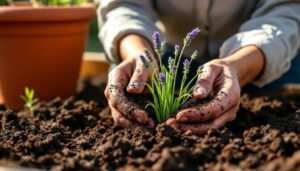

Late March in Australia signals a shift in the garden as the intense summer heat subsides. The soil, still warm from months of sunlight, prompts experienced gardeners to plan for planting before the cooler months arrive. It's the perfect time to reassess which plants are worth sowing from scratch and which are not. While growing plants from seed may seem appealing, it can be a gamble of time, space, and patience with minimal reward for many species.
Seasoned Australian gardeners have often learned that some plants are better purchased as established seedlings, divisions, or grafted specimens. This is due to seeds that take years to germinate, varieties that don't stay true to type, or plants with slow growth. Here are 12 plants that experienced growers consistently advise against starting from seed.
| Type of content | Guide / Practical advice |
| Optimal season | Autumn (March–May in Australia) |
| Experience level | All levels |
| Applies to | Home gardens, kitchen gardens, ornamental beds |
| Estimated savings | Significant — by avoiding failed germination attempts |
Peonies
Peonies grown from seed can take three to five years to produce their first flower, assuming the seed germinates. Many peony seeds need a complex double-dormancy process: a warm period, then a cold period, followed by another warm period for the shoot to emerge. Even after this, the plant might not resemble the parent. Gardeners in cooler regions of Australia, like Victoria's tablelands or New South Wales' highlands, recommend buying established bare-root crowns with two to three visible buds for flowers in a season or two, instead of half a decade.
Hybrid tea roses
Hybrid tea roses are grafted cultivars — varieties made by joining a named variety to a vigorous rootstock. Seeds from a hybrid tea rarely produce a plant with the same flower color, fragrance, or disease resistance as the parent, reverting to unpredictable genetics. Professional rose breeders discard thousands of seedlings for each one they keep. In Australia, a grafted rose from a trusted nursery costs around $15–$35 AUD and offers reliable performance from the start.
Wisteria
Growing wisteria from seed can be frustrating. A seed-grown plant may take ten to twenty years to bloom, without any guarantee of a good display. The only way to grow a wisteria that flowers within two to three years is with a grafted or rooted cutting of a named variety from a specialist nursery. In autumn across southern Australia, nurseries often have established specimens for around $30–$60 AUD, a better investment than years of waiting.
Hostas
Hostas will germinate from seed, but cultivated varieties with striking variegation, blue foliage, or unique leaf texture don't stay true from seed. The seedlings usually produce plain green plants lacking the ornamental qualities that make hostas desirable. Experienced gardeners propagate hostas by dividing established clumps in late autumn or early winter during dormancy. This method is free, reliable, and produces exact copies of the parent plant.
Fruiting fig trees
Growing common edible figs (Ficus carica) from seed is possible but unreliable and lengthy. Many seeds inside a fig aren't fertile, and those that germinate can take four to six years to reach fruiting size. Named varieties like 'Brown Turkey', 'White Adriatic', or 'Preston Prolific' are propagated from hardwood cuttings to preserve their fruiting characteristics, disease resistance, and performance in Australian conditions. A one-year-old cutting-grown fig from a nursery costs around $20–$45 AUD and is a better choice.
Lavender
Lavender seeds can be inconsistent. Germination rates are often poor, and named cultivars like 'Hidcote', 'Grosso', or 'Imperial Gem', selected for their compact habit, intense color, or oil production, won't reproduce faithfully from seed. The seedlings vary in height, color, and fragrance. Lavender propagates easily from softwood or semi-hardwood cuttings in late summer or autumn, costing nothing if you have a parent plant.
Grafted citrus
Citrus trees sold at Australian nurseries are usually grafted onto a disease-resistant rootstock. Growing citrus from a pip yields a seedling that may take eight to fifteen years to fruit, produces inferior fruit, and lacks resistance to Phytophthora root rot and other soil pathogens. The Citrus Industry in Australia has strict plant health protocols for this reason. Always buy certified disease-free, grafted citrus from a registered nursery, budgeted at around $30–$80 AUD, depending on the variety.
Hellebores
Hellebores self-seed in the garden, which can be charming in a natural setting. However, if you desire a specific double-flowered form, a picotee with precise markings, or a named series like 'HGC Ice N' Roses', seed is unreliable. Each seedling is genetically unique, making the odds of reproducing a premium cultivar virtually zero. Specialist hellebore nurseries in Victoria and Tasmania propagate named forms by division or tissue culture, costing $18–$45 AUD per plant for a guaranteed result.
Garlic
Garlic isn't typically grown from true botanical seed in home gardens. The plant rarely sets viable seed under normal conditions, and the resulting plants are highly variable. Every experienced kitchen gardener in Australia plants cloves — segments from a mature bulb — directly into prepared soil. With the soil still warm and autumn cool snaps arriving, now is the time to plant garlic for a late spring to early summer harvest. Choose certified disease-free seed garlic from a supplier for around $8–$20 AUD per bulb.
Artichokes
Globe artichokes can technically be grown from seed, but seed-grown plants are variable in productivity, head size, and flavor. Commercial growers and gardeners propagate artichokes from offsets — basal shoots from the crown of an established plant in late autumn. These offsets are genetic copies of the parent and produce harvestable heads in their first or second year. If offsets aren't available, purchasing a container-grown division from a market or nursery is better than starting from seed.
Proteas
Proteas are popular in Australian gardens and grow well in the country's soils. While they produce seed, germination is slow and erratic, often needing smoke treatment or scarification (abrading the seed coat). Even with treatment, success rates are around 20–40%. The seedlings take years to establish and flower. A grafted protea, which guarantees flower color and habit, flowers within two to three seasons and typically costs $15–$40 AUD.
Sweet peas (perennial varieties)
Annual sweet peas (Lathyrus odoratus) are worth growing from seed and are an autumn-planting favorite in southern Australia. But the perennial sweet pea (Lathyrus latifolius) and its cultivated forms differ. Named color forms — pure white, deep magenta, soft pink — rarely stay true from seed; seedlings often revert to the wild magenta-pink default. For a specific color, source rooted cuttings or divisions from a specialist.
The underlying logic
A clear pattern emerges when examining this list. Plants that are hybrids, grafted cultivars, or named selections with specific traits are likely to disappoint when grown from seed. The seed of a hybrid is genetically reshuffled, and plants with long juvenile periods, like wisteria, peonies, and citrus, add frustration before the result is known.
For Australian gardeners this autumn, prioritize seed-sowing for species that reliably come true and germinate quickly. Annual vegetables, herbs like basil and coriander, sunflowers, and cosmos are excellent choices. For the rest, spend a bit more at the nursery, source a division, or take a cutting.
Quick reference: seed vs. better method
| Plant | Problem with seed | Better propagation method |
|---|---|---|
| Peony | 3–5 years to flower, variable results | Bare-root crown with 2–3 buds |
| Hybrid Tea Rose | Does not come true to type | Grafted plant from nursery |
| Wisteria | 10–20 years to bloom | Grafted or rooted cutting |
| Hosta | Variegation lost; reverts to green | Division of established clump |
| Fig | 4–6 years, variety not preserved | Hardwood cutting of named variety |
| Lavender | Named cultivar traits lost | Semi-hardwood cutting |
| Citrus | 8–15 years, no disease resistance | Certified grafted tree |
| Hellebore | Named doubles/picotees not reproduced | Division or tissue culture |
| Garlic | Seed rarely viable; very variable | Cloves from certified bulb |
| Artichoke | Variable productivity and quality | Crown offsets |
| Protea | Poor germination, slow to establish | Grafted or rooted cutting |
| Perennial Sweet Pea | Named colour forms revert | Rooted cutting or division |
Frequently asked questions
Can you ever grow roses successfully from seed in Australia?
Species roses, like Rosa canina or Rosa eglanteria, will come reasonably true from seed and can be germinated at home with cold stratification. Hybrid teas, floribundas, David Austin English roses, and other modern varieties will not. If you're interested in rose breeding, collecting hips and sowing seed is an interesting experiment, but expect unknown seedlings, not reliable garden plants.
Is it ever worth sowing wisteria from seed as an experiment?
It can be a long-term project, but manage expectations. Many Australian gardeners have waited fifteen years or more with no flowers from seed-grown wisteria. The seedlings also develop vigorous root systems before flowering, causing structural issues if planted near buildings or fences. For a productive garden, a grafted specimen is the practical choice.
Where is the best place in Australia to source garlic seed cloves for autumn planting?
Specialist garlic growers typically sell certified disease-free bulbs at farmers markets and online from late February through April. Varieties for different Australian climates include 'Purple Stripe' and 'Monaro Purple' for cooler regions, and 'Italian White' for milder gardens. Avoid supermarket garlic, which is often treated to inhibit sprouting and might carry diseases.
What about growing lavender from seed if you can't take cuttings?
If you need many plants quickly for a lavender hedge, purchasing small punnets of seedling lavender from a nursery for around $4–$8 AUD per punnet is more practical than sowing from seed. The seedlings will be more uniform, even if they're not named varieties. Alternatively, English lavender (Lavandula angustifolia) germinates more reliably from seed than French or Spanish types and produces reasonable plants for informal plantings.
Do these same rules apply to subtropical and tropical parts of Australia?
Mostly, with some adjustments. Gardeners in Queensland, the Northern Territory, and northern Western Australia will find cool-climate plants like peonies, hellebores, and wisteria are not well-suited to their climate regardless of propagation method. The principle that hybrids, grafted trees, and named selections are best purchased holds across all climates. Local nurseries will guide you on available and appropriate plants for specific conditions.