



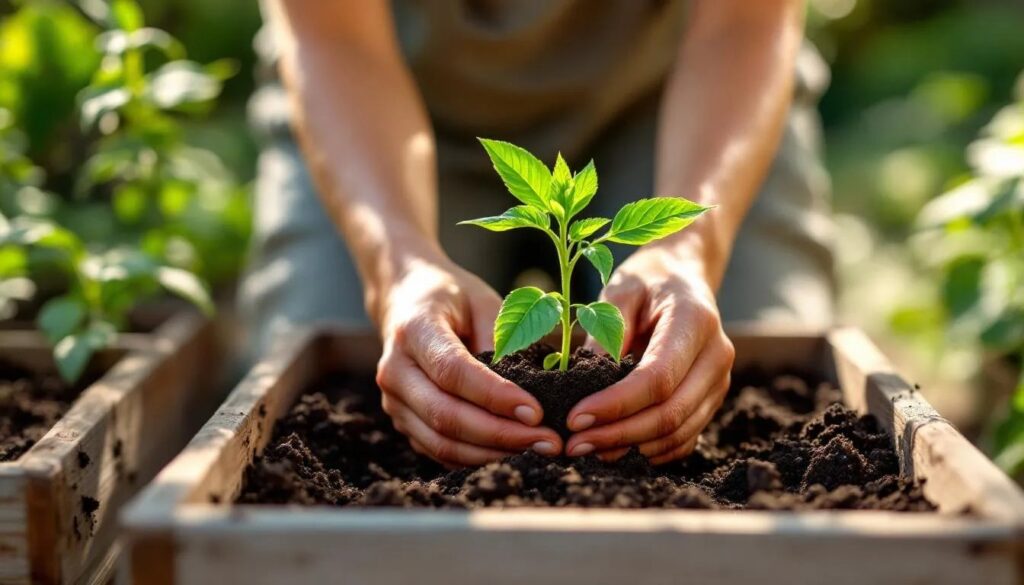
As autumn settles across Australia in late March 2026, gardeners are facing one of the season's most satisfying decisions: what to plant next. The vegetable beds are ready, the soil is still warm from summer, and the urge to get something growing is real. But standing in the garden centre aisle, trolley in hand, the question surfaces — seeds or seedlings? It sounds simple, but the answer can mean the difference between a thriving patch and a frustrating season of failed germination.
Seeds are undeniably cheaper and offer a far wider range of varieties, but seasoned horticulturalists are quick to point out that starting from seed is not always the smartest move. There are specific situations where paying the extra few dollars for a ready-grown seedling saves weeks of effort, sidesteps climatic limitations, and dramatically improves your odds of success. Knowing exactly when to make that call is a skill worth developing — and it starts right here.
| Content type | Expert guide / practical advice |
| Skill level | Beginner to Intermediate |
| Season | Autumn (March–May, Australia) |
| Estimated cost of seedlings | ~$3–$8 per punnet (indicative prices, variable by region and retailer) |
| Compared to seed packets | ~$2–$5 per packet (10–100+ seeds) |
| Best planting window | March to late April across most of southern and eastern Australia |
The real cost of starting from seed
Seed packets are tempting — the per-plant cost is minimal, and the variety selection from specialist suppliers leaves any garden centre shelf looking thin by comparison. But the true cost of seed-starting goes beyond the price tag. You need trays, seed-raising mix, a warm and sheltered spot, consistent moisture, thinning time, and the nerve to wait. When conditions are right and the crop suits direct sowing, seeds are the clear winner. When they are not, you may spend a month nursing something that a two-dollar seedling would have replaced in a day.
According to experienced Australian horticulturalists, the decision should always hinge on five key factors: available time, your local climate window, the specific crop's germination needs, your experience level, and how much of the growing season you have left. Get those five factors wrong, and a packet of seeds becomes an expensive lesson in patience.
1. When the growing season is already running short
This is the most practical argument for buying seedlings, and it applies with particular force right now in late March across southern and eastern Australia. Crops like broccoli, cauliflower, cabbage, and silverbeet need a certain number of days to reach harvest before temperatures drop sharply. If you sow those seeds today, you are looking at two to four weeks of germination and early growth before the seedling even goes into the ground — time that simply may not exist in your climate zone.
A ready-grown seedling at the six-to-eight leaf stage skips that entire phase. You plant it directly into prepared soil, and the clock starts running on your harvest from day one in the garden rather than day one in the seed tray. For gardeners in Melbourne, Canberra, and highland New South Wales, this difference is not a convenience — it is the line between a crop and a compost addition. Even in warmer zones like coastal Queensland, fast-maturing crops benefit from the head start that a sturdy seedling provides.
2. When you are growing slow-to-germinate or slow-to-mature crops
Some plants take an uncommonly long time to move from seed to transplant-ready seedling. Celery, for example, can take three weeks or more to germinate, requires very precise moisture and temperature conditions, and then needs another six to eight weeks in the tray before it is ready for the garden. Leeks follow a similar trajectory. Chillies and capsicums, started from seed, often need ten to fourteen weeks indoors before they are ready to face outdoor conditions — a period that demands a heated propagation area or a very sunny windowsill throughout winter.
For home gardeners without a heated greenhouse or propagation mat, buying seedlings of these crops at the point of sale isn't cutting corners; it's a smart gardening decision. The nursery has already provided the controlled environment and specialist care. You are buying in at the most critical transition point and directing your energy where it genuinely matters: soil preparation, feeding, watering, and harvest.
3. When you are a first-time gardener building confidence
Germination failure is one of the most common reasons new gardeners abandon their patches entirely. Seeds that fail to appear after two weeks of careful watering can leave beginners wondering whether they've done something fundamentally wrong, when the issue may be soil temperature, sowing depth, seed viability, or simply bad luck with a difficult variety. That early discouragement is avoidable.
Starting with seedlings for your first one or two seasons gives you visible, tangible progress from the moment you plant. You learn the rhythms of watering, feeding, and pest management without the added variable of germination. You build confidence through success rather than working through failure. Once you understand how a plant grows, behaves, and responds in your specific garden, you are in a far stronger position to experiment with seeds — and you will waste far fewer of them when you do.
4. When you only need a small number of plants
Seed packets are calibrated for production — even a standard packet of tomato seeds contains far more than any suburban gardener needs. If you want three tomato plants, four silverbeet crowns, or two zucchini, sowing a full packet means either over-planting, thinning out healthy seedlings, or storing seed carefully for the following year. Not every variety stores reliably, and not every gardener has space for twelve tomato plants.
In these cases, a punnet of four to six seedlings is the more logical purchase. You get exactly what you need at the right size, you avoid waste, and you spend less time on germination management. The per-plant cost is higher, yes — but the per-plant value, measured in time, space, and certainty, is often better. This argument becomes even stronger when you are trialling a new variety in a small raised bed and do not want to commit a full growing season to something untested in your soil.
5. When your seed-starting conditions are not adequate
Successful seed-starting depends on consistent warmth, good light, and controlled humidity. In autumn across most of Australia, windowsill temperatures fluctuate significantly between day and night, and natural light hours are shortening. Without a heat mat, grow lights, or a properly insulated propagation setup, many seeds — particularly warm-season crops being pushed into autumn planting — simply will not perform reliably at home.
Commercial nurseries maintain the precise conditions required: bottom heat, regulated moisture, high light intensity, and careful hardening-off before seedlings reach the shelf. When you cannot replicate those conditions at home, buying seedlings is a practical decision. This applies especially to crops like basil, which struggles below 18°C, and cucumber, which needs consistent warmth to germinate and establish without damping off or stunting.
The expert's view: seeds still have their place
"The best gardeners know both when to start from seed and when to let someone else do that work for them. Seeds give you access to extraordinary diversity and a real connection to the full growing cycle. But spending three weeks failing to germinate something that your local nursery has in perfect condition is not gardening philosophy — it is just inefficiency."
Root vegetables — carrots, radishes, beetroot, parsnips — should almost always be direct sown from seed, since they do not transplant well and the seed cost is trivial. Beans and peas germinate quickly and reliably in autumn soil temperatures across most of Australia, making them prime candidates for direct sowing right now. Hardy Asian greens like bok choy, tatsoi, and mizuna can be scattered across a prepared bed and thinned as they grow, requiring virtually no specialist conditions.
The skill lies in matching the method to the crop, the conditions, and the moment in the growing calendar. Neither approach is universally superior — but knowing when each one serves you best is what separates a productive garden from a well-intentioned one.
What to look for when buying seedlings
Not all seedlings at the garden centre are worth taking home. Reach for plants with deep green, unblemished foliage, compact internodal spacing (the distance between leaf sets on the stem), and a root system that holds the growing medium together without being visibly root-bound — check by gently tipping the punnet. Avoid tall, leggy seedlings with yellowing lower leaves, which indicate light stress or nitrogen deficiency in the nursery environment. Check the underside of leaves for early signs of aphid or whitefly infestation before they reach your garden.
Water seedlings well before planting, allow them to drain, and plant into moist — not waterlogged — soil during the cooler part of the day. In late March, early morning or late afternoon planting reduces transplant stress considerably, even in temperate zones.
Estimated cost comparison (indicative, variable by region and retailer)
| Approach | Initial cost | Additional equipment needed | Estimated weeks to garden-ready |
|---|---|---|---|
| Seed packet (standard variety) | ~$2–$5 AUD | Seed-raising mix, trays, possibly heat mat | 4–12 weeks depending on crop |
| Punnet of 4–6 seedlings | ~$3–$8 AUD | None beyond standard planting tools | 0 — plant immediately |
| Individual advanced seedling (tomato, chilli) | ~$4–$12 AUD | None | 0 — plant immediately |
Frequently asked questions
Are seedlings from a nursery treated with pesticides I should be aware of?
Many commercially produced seedlings are treated with systemic pesticides or fungicides during propagation, particularly for pest-prone crops like brassicas and tomatoes. If you are gardening organically or growing for edible crops, ask your local nursery directly about their propagation practices. Certified organic seedlings are increasingly available from specialist suppliers and some independent garden centres across Australia, typically at a slight price premium.
Can I harden off nursery-bought seedlings, or are they already ready to plant?
Most reputable nurseries harden off their seedlings before sale, meaning they have been gradually acclimatised to outdoor conditions. However, if a plant has been sitting under shade cloth or in an enclosed display area for an extended period, it is worth giving it two to three days on a sheltered bench — out of direct harsh sun but exposed to ambient outdoor conditions — before planting into full sun. This is particularly relevant for seedlings purchased from indoor displays or air-conditioned retail spaces.
Which vegetables should I almost always grow from seed rather than buying as seedlings?
Root crops — carrots, parsnips, radishes, beetroot, and turnips — are best sown directly from seed because they form their edible root in situ and do not transplant reliably. Corn, too, dislikes transplanting and is better direct sown in blocks. Beans and peas germinate quickly and inexpensively from seed and are rarely worth buying as seedlings. Leafy greens like rocket and Asian mustards are also so fast-growing from seed that the seedling price premium is rarely justified in autumn conditions across most of Australia.
How do I store leftover seeds if I do buy a packet?
Store unused seed in a cool, dry, dark environment — a sealed glass jar with a small sachet of silica gel inside, kept in the bottom of the refrigerator, is the standard recommendation for Australian gardeners dealing with variable humidity. Label each packet clearly with the variety and year of purchase. Most vegetable seeds remain viable for two to four years under good storage conditions, though onion and parsnip seed should be used within twelve months as viability drops off sharply. Test older seed by placing ten seeds on a damp paper towel and counting how many germinate within the expected timeframe.
Is it worth buying heirloom seedlings, or should I source heirloom varieties as seeds?
Heirloom seedlings are appearing more frequently at Australian independent nurseries and farmers' markets, and they offer a genuine shortcut to growing heritage varieties without the lead time of seed-starting. For gardeners new to heirlooms, buying a seedling of a variety like Brandywine tomato or Mortgage Lifter for one season is a sensible way to trial the variety's performance in your specific conditions before committing to seed-raising future generations. Once you are confident in the variety, saving seed from your own harvest — which is straightforward with open-pollinated heirlooms — becomes a rewarding and cost-free next step.