



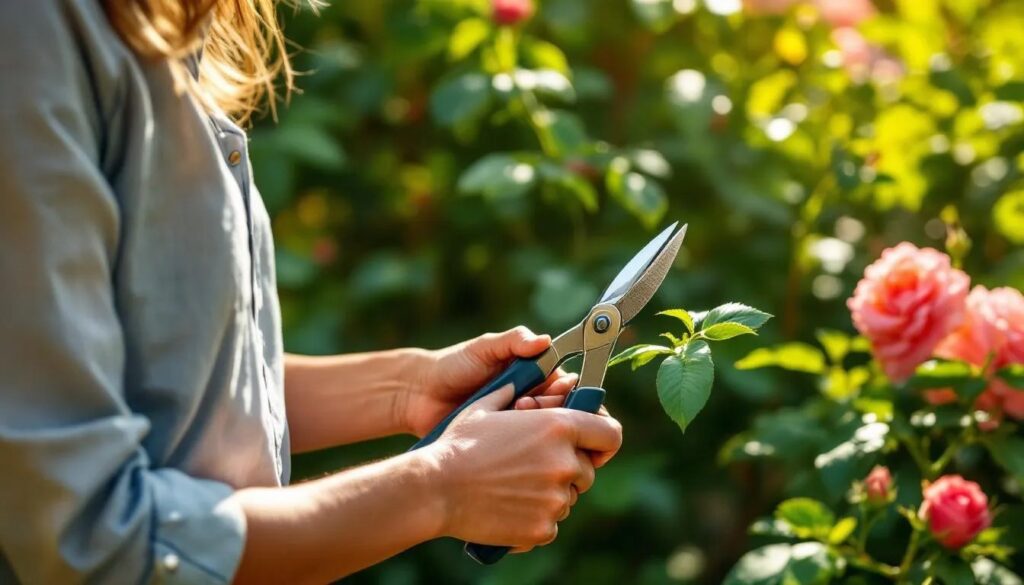
Late summer in Australia means one thing for rose growers: the window for the most important cut of the year is opening fast. As February rolls into March and the worst of the heat begins to ease across most of the country, gardeners who time their pruning correctly will be rewarded with a flush of blooms that peaks just as the weather turns ideal. Get the timing wrong by even a few weeks and you risk pushing your roses into new growth during a cold snap, or missing the spring surge altogether.
This guide draws on the advice of experienced Australian horticulturalists and rosarians to give you a precise, practical framework for pruning roses at exactly the right moment—whether you're growing hybrid teas in a Melbourne backyard, climbing roses on a Brisbane fence, or a sprawling David Austin in a Perth cottage garden. The method works across all the major rose classes, and the results speak for themselves: stronger canes, more buds per stem, and flowers that last longer on the plant. It's time to sharpen those secateurs.
| Recommended pruning window | Late July to mid-August (most of Australia) |
| Time required per established bush | 15–30 minutes |
| Difficulty | Beginner to Intermediate |
| Estimated budget | AUD $30–$120 (tools + sealing paste) |
| Optimal season | Late winter / very early spring |
| Frequency | Hard prune once a year; deadhead and shape throughout the season |
Safety note: Rose thorns carry bacteria that can cause rose thorn disease (sporotrichosis)—wear thick leather gardening gloves and eye protection when cutting dense growth. Dispose of pruned material in your green waste bin rather than composting it, as diseased foliage can reinfect the soil.
Why timing is everything
Roses are not forgiving of guesswork. A rose pruned too early—say, during a mid-winter warm spell—will break dormancy prematurely, pushing out tender new shoots that a late cold night can kill back to the wood. Prune too late, after growth has already begun in earnest, and you sacrifice weeks of flowering potential while the plant redirects energy into wounds rather than buds.
The biological trigger that makes late winter the sweet spot is straightforward: roses need a period of dormancy to reset, build energy reserves in their root system, and prepare for the surge of spring growth. In most parts of Australia, that dormancy coincides with June and July. By late July, the forsythia is thinking about flowering, the soil is warming slightly, and the first new eyes—those small reddish buds visible on the canes—are beginning to swell. That swelling is your cue to start.
Experienced rosarians describe watching for the bud eye: a slightly raised, pointed node on the cane that has shifted from flat and dormant to slightly swollen and often tinged with red or pink. When you can see that swelling clearly on the majority of your canes, you have approximately two to three weeks before new growth makes a hard prune significantly more disruptive to the plant.
Pruning by rose type: a practical breakdown
Hybrid teas and grandifloras
These are the classic long-stemmed roses and the ones that benefit most from hard annual pruning. Cut canes back to roughly 30–50 cm from the bud union (the swollen knob at the base where the rose was grafted onto its rootstock). Aim to leave three to five strong outward-facing canes with a clean, open-vase shape. Remove any cane thinner than a pencil—it will not produce a quality bloom and simply drains the plant's resources.
Floribundas
Floribundas produce clusters of smaller flowers and are typically pruned a little less severely than hybrid teas—cutting to about 45–60 cm is usually appropriate. The goal is still an open, airy framework, but you can retain slightly more secondary branching because that lateral growth is where the characteristic clusters develop.
David Austin (English) roses
This is where many Australian gardeners prune too hard, expecting the same dramatic cutback as a hybrid tea. David Austin roses generally perform better with a lighter hand: reduce the plant by about one-third to one-half of its height, shape for an open framework, and focus on removing dead, diseased, and crossing wood. In warmer Australian climates—Queensland and coastal New South Wales in particular—some gardeners barely prune David Austin varieties at all during winter, instead relying on deadheading and light shaping throughout the year.
Climbing and rambling roses
Climbers that flower on old wood—including many of the heritage varieties—should not receive a hard prune in winter. Cutting back old growth removes the very wood that will carry this season's flowers. Instead, remove dead and diseased canes entirely, tie in new growth to your support structure, and cut lateral shoots back to two or three buds. Ramblers that flower once a year on new wood can be pruned more aggressively after flowering, typically in late summer or early autumn.
Miniature roses
Miniatures are forgiving and fast. A general reduction of one-third to one-half of their height in late July, combined with the removal of dead wood and crossing branches, is all they need. They recover quickly and generally flower prolifically with minimal intervention.
Regional timing adjustments across Australia
Australia's climate zones mean there is no single date that applies to every garden in the country. As a working guide: in Victoria, South Australia, and the ACT, aim for late July to the first week of August. In New South Wales (inland and coastal), mid-July to late July tends to work well. In Queensland, the growing season barely pauses, so a lighter prune in June or early July is often more appropriate than waiting for the traditional August timing used further south. Western Australia follows a similar rhythm to South Australia, though the Swan Valley and Perth coastal areas can push timing slightly earlier.
If you are unsure, the bud-eye method described above is more reliable than any calendar date. Let the plant tell you when it is ready.
The pruning process step by step
1. Prepare your tools
Sharp, clean secateurs are non-negotiable. A blunt blade crushes the cane rather than cutting it cleanly, creating a ragged wound that is slower to callus and more susceptible to fungal infection. Before you start, wipe the blades with a cloth soaked in methylated spirits or a 10% bleach solution—this sterilises the tool and prevents the transfer of any disease from one plant to another. If you're moving between multiple rose bushes, sterilise between each one. Loppers are useful for canes thicker than about 1.5 cm, and a small pruning saw handles anything the loppers can't manage.
2. Assess the plant before you cut
Step back and look at the whole structure. Identify the dead wood (it looks grey or brown, feels hollow, and has no visible bud eyes), any canes that cross through the centre of the plant, any growth that is significantly thinner than the main framework canes, and any diseased material showing signs of black spot (dark circular lesions on the bark or any remaining foliage) or canker (sunken, discoloured patches on the cane). Plan your cuts before you make them—it is much easier to correct your approach at this stage than to wish you had left a cane once it is on the ground.
3. Remove dead, diseased, and damaged wood first
Always start with the obvious material. Cut dead canes back to the bud union if the entire cane is dead, or back to healthy wood—identified by a white or pale green pith in the centre of the cut—if only the top portion is affected. Make each cut at a 45-degree angle, sloping away from the nearest outward-facing bud eye, positioned about 5–7 mm above it. This angle allows water to run off the cut surface rather than pooling and encouraging rot.
4. Open the centre and shape the framework
The goal for most bush roses is an open-vase shape with no canes crossing through the middle. Crossing canes rub against each other in the wind, creating wounds that invite disease; they also block light and airflow from reaching the lower parts of the plant. Remove any inward-facing growth and aim to create a structure where you could, in theory, post a letter through the centre of the plant without it touching any cane.
5. Make your final height cut
Once the framework is established, cut the remaining healthy canes to your target height—using the guidelines for each rose type described above. Always cut to an outward-facing bud eye. On each cane, that final cut is the one that determines which direction the new growth will head, so take a moment to identify the right bud before committing.
6. Seal large wounds (optional but recommended)
On cuts larger than about 1.5 cm in diameter, apply a proprietary pruning sealant or even ordinary white wood glue. This helps exclude the rose borer—a native Australian pest whose larvae tunnel into freshly cut cane ends and kill the wood from the inside out. It is particularly worth doing in areas where borers are known to be active, including much of inland and eastern Australia.
7. Feed and mulch immediately after
Pruning can be a stress event for the plant. Follow it immediately with a generous application of a slow-release rose fertiliser or well-composted organic matter worked lightly into the soil surface around the drip line. Apply a 7–10 cm layer of mulch—sugar cane mulch, lucerne, or aged wood chips all work well—keeping it clear of the bud union itself. This conserves soil moisture, moderates soil temperature as spring arrives, and suppresses the weeds that would otherwise compete with the rose during its burst of new growth.
The professional's approach
The single mistake that experienced rosarians see most often in home gardens is hesitation: gardeners who are afraid to cut hard and end up with a mop of thin, weak growth instead of the three to five strong canes that will carry big flowers. In late July, the rose is dormant, its energy is in the roots, and it will regenerate from a hard cut far more vigorously than most people expect. If you are uncertain, cut harder than feels comfortable—within the guidelines for the variety—and trust the plant. The other consistent error is failing to sterilise tools between plants, which is how black spot and other fungal diseases spread across an entire garden in a single pruning session.
Ongoing care after the winter prune
Once the winter prune is done, the management shifts to deadheading—removing spent flowers back to the nearest outward-facing leaf junction—throughout spring and summer to keep the plant blooming continuously. A light tidy in early autumn, removing any obviously dead or diseased growth and reducing very long canes that might rock in winter winds, is all that is needed between major annual prunes.
Watch for the return of black spot as humidity rises in spring. A preventive spray with a copper-based fungicide every two to three weeks from the moment new growth emerges will significantly reduce incidence. Remove and bag any fallen leaves showing lesions—do not leave them on the soil surface, where they will reinfect the plant.
For gardens with established heritage roses
Old garden roses—including albas, gallicas, damasks, and many of the China roses that thrive in Australian conditions—often have a different pruning rhythm. Many flower only once a year, in spring, on wood produced the previous season. Hard winter pruning removes that wood and eliminates the season's flowers. For these varieties, a gentle approach in winter—removing only dead and diseased wood, lightly shaping for airflow—combined with more meaningful pruning immediately after flowering is the standard practice among specialist rosarians.
If you are unsure of your rose's class, photograph it in full bloom and consult the Australian Rose Society, which maintains regional branches across all states and can provide variety-specific advice. Correct identification before you prune can be the difference between a spectacular spring display and a puzzling season of foliage and no flowers.
Estimated costs (indicative prices, variable by region and retailer)
| Item | Indicative Cost |
|---|---|
| Quality bypass secateurs (e.g., Felco, Bahco) | AUD $40–$90 |
| Loppers | AUD $30–$70 |
| Pruning sealant or wound paste | AUD $8–$20 |
| Sterilising solution (methylated spirits) | AUD $5–$10 |
| Slow-release rose fertiliser (1 kg) | AUD $12–$25 |
| Total for a first-time setup | ~AUD $95–$215 |
Frequently asked questions
Can i prune roses in autumn in Australia?
A light tidy in autumn—removing very long canes that might whip in winter winds and cutting out obviously dead growth—is fine and won't harm the plant. However, the major structural prune should wait until late July or early August when the plant is fully dormant. Significant cuts in autumn can trigger new growth that is then damaged by winter cold, particularly in Victoria, the ACT, and elevated parts of New South Wales and Queensland.
My rose hasn't dropped all its leaves—is it still safe to prune?
In warmer parts of Australia—particularly coastal Queensland and tropical areas—roses may never fully defoliate. This doesn't mean pruning should be skipped; it simply means you are working with a plant that is semi-dormant rather than fully so. Strip remaining foliage by hand before you prune, which also removes any black spot spores overwintering on the leaves, and proceed with your prune as normal. The plant will respond well.
What is the difference between deadheading and pruning?
Deadheading is the removal of individual spent flowers to encourage the plant to produce new buds rather than setting seed. It is done regularly throughout the blooming season—every one to two weeks on repeat-flowering varieties. Pruning, by contrast, is a structural intervention that shapes the framework of the plant, removes old or diseased wood, and controls size. The annual winter hard prune is the most important pruning event of the year; deadheading is ongoing maintenance.
Do i need to prune roses grown in pots differently?
Container-grown roses follow the same timing principles but generally benefit from a slightly lighter cut—reducing by around one-third rather than the more aggressive cuts used on ground-planted hybrid teas. This is because pot-grown plants have a more restricted root system and less energy in reserve. Repot or top-dress with fresh potting mix at the same time as pruning, and check that the drainage holes are clear before the growth season begins.
Should i remove suckers at the same time as pruning?
Yes. Suckers—shoots that emerge from the rootstock below the bud union—should be removed whenever you notice them, but the annual prune is a good time to check systematically. Trace the sucker back to the root or bud union and pull or cut it off as close to its point of origin as possible. Cutting flush at ground level is not enough; leaving a stub encourages multiple suckers to regrow from the same point. Sucker growth is typically identifiable by its lighter green colour, smaller leaflets (usually seven or more per leaf versus the typical five on the grafted variety), and more vigorous, upright habit.