

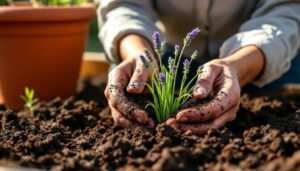

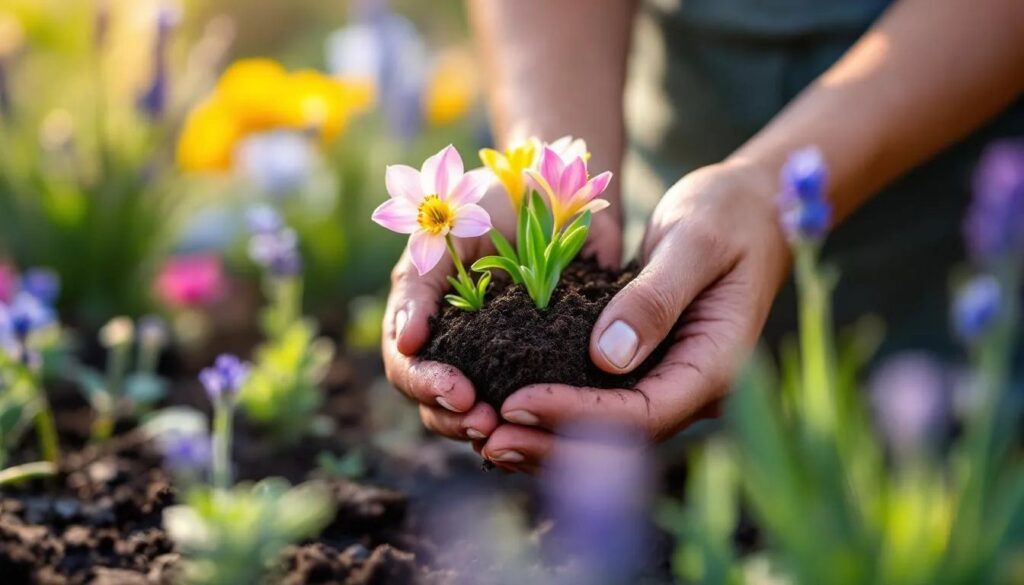
Late March arrives with that particular restlessness — the soil is warming, the first bulbs are already pushing through, and the urge to get outside and transform a garden plot into something beautiful becomes almost physical. But this spring, before reaching for the seed catalogues and trowel, it is worth pausing to consider a different kind of approach: one borrowed from Japan, where the act of witnessing a garden in bloom is treated as seriously as the act of planting it.
Hanami — literally "flower viewing" — is a centuries-old Japanese tradition built around the deliberate, unhurried appreciation of seasonal blossoms, most famously the cherry tree. Applying its principles to how we design and plant a spring garden shifts the question from "what grows well?" to "what will move me when it blooms?" This article walks through a practical, philosophy-informed approach to spring planting: what to choose, how to arrange it, and how to build a garden that rewards looking as much as tending.
| Preparation time | 1–2 hours (planning and soil prep) |
| Planting time | Half a day to a full day depending on garden size |
| First blooms expected | 4–8 weeks after planting, depending on species |
| Difficulty | Beginner to Intermediate |
| Recommended season | Early spring — late March to mid-April |
What Hanami Actually Means for a Garden
In Japan, hanami is not passive. Families and friends plan specific days, choose specific locations, and sit beneath blossoming trees for hours. The experience is prepared for, anticipated, and then consciously lived. What makes it relevant to Western garden planning is the underlying idea: that a garden should have a moment — a peak — worth gathering around.
Most spring gardens are planted for productivity or for general colour. The hanami approach asks instead: Where will I stand? What will I see from that spot? What will be in bloom together, for how long, and what happens when it fades? These are design questions as much as horticultural ones, and they change which plants you choose and where you put them.
The philosophy also accepts impermanence without mourning it. Cherry blossoms are celebrated precisely because they last only one to two weeks. Applying this to a spring garden means embracing plants that have a brief, intense moment rather than chasing perpetual colour — and finding beauty in what comes before and after the peak.
Materials and Supplies
- Well-rotted garden compost or organic matter for soil enrichment
- Horticultural grit (for drainage in heavier soils)
- Slow-release granular fertiliser appropriate for flowering plants
- Spring-flowering bulbs: tulips, alliums, fritillaries, grape hyacinths (Muscari)
- Early perennials: bleeding heart (Lamprocapnos spectabilis), Japanese primrose (Primula japonica), epimedium
- A flowering tree or large shrub if space allows: ornamental cherry (Prunus), serviceberry (Amelanchier), or white-flowering magnolia
- Mulch (bark chippings or composted leaf mould)
- Plant labels and a soft pencil or weatherproof marker
Tools
- Garden fork (for breaking and aerating compacted soil)
- Hand trowel (for individual bulb and plant placement)
- Border spade
- Bulb planter or dibber
- Watering can with a fine rose head
- Kneeling pad
- Measuring tape or bamboo cane (for spacing reference)
Steps
1. Choose Your Viewing Point First
Before a single plant is selected, go outside and stand in the spots where you naturally spend time looking at the garden: a kitchen window, a back door step, a bench, a terrace chair. Mark or photograph these viewpoints. Every planting decision that follows should serve what is visible from these specific places. This is the most significant departure from conventional garden planning, and also the simplest. A drift of white tulips planted directly in the sightline from your kitchen window will give you weeks of daily hanami without ever leaving the house. The same tulips planted along a fence you rarely face will go largely unappreciated.
2. Identify Your Garden's Existing Rhythm
Walk the space on a clear morning in late March and note what is already happening: which patches receive the first sunlight, where the soil is still cold and wet, where last year's perennials are beginning to show new growth. Hanami-influenced planting works with what is already present rather than imposing a plan over it. Take note of early risers — snowdrops going over, hellebores still nodding, pulmonaria beginning to flower — and build your new planting around these existing anchors rather than replacing them. The goal is a layered sequence, not a single burst.
3. Select Plants That Bloom in Sequence, Not All at Once
The temptation in spring planting is to pack in everything that will flower simultaneously, creating a single peak that is visually overwhelming and then abruptly over. The hanami model distributes the attention across a longer arc. Start with very early bloomers: Muscari (grape hyacinth), early tulip species, and epimedium. Layer in mid-spring flowering plants — the classic Darwin hybrid tulips, bleeding heart, Japanese primrose — and finish with late-spring perennials like alliums and Camassia, which carry colour into May and June. Each layer takes its moment, then steps back gracefully. The sequence is the design.
4. Prepare the Soil with Intention
For late-March planting, the soil needs to be workable but not waterlogged. Dig in a generous layer of well-rotted compost — roughly a bucketful per square metre — using a garden fork to incorporate it to a depth of about 25–30 cm. On heavy clay soils, mix in horticultural grit at the same time to improve drainage, which is critical for bulbs. Scatter a slow-release granular fertiliser according to the manufacturer's guidance, raking it lightly into the surface. The surface should feel friable and dark, holding its shape when squeezed but crumbling easily when released — the difference between workable and compacted soil is felt more than measured.
5. Plant for Density and Drift, Not Rows
Hanami aesthetics favour loose, naturalistic groupings over formal rows. Plant bulbs in odd numbers — five, seven, nine — in informal clusters, varying depth slightly within each group rather than planting them all at a uniform depth. This produces a staggered emergence that feels effortless rather than engineered. For perennials, group three plants of the same species together rather than spacing them singly across the border; a single bleeding heart makes little visual impact, but three planted 30–40 cm apart create a presence worth looking at. Use a dibber or bulb planter for individual bulbs, making sure each one sits at the correct depth — typically two to three times the bulb's own diameter — with the growing tip pointing upward.
6. Create One Focal Point Worth Gathering Around
If space allows, one flowering tree or large flowering shrub should anchor the composition. An ornamental cherry — even a compact variety like Prunus 'Kojo-no-mai' suited to smaller gardens and even large containers — gives you a literal hanami focal point: a place to sit beside, to look up through, to return to as the blossom opens and falls. Serviceberry (Amelanchier lamarckii) offers cloud-like white flowers in April, autumn colour later in the year, and wildlife value throughout. Plant it where it will be silhouetted against sky or a dark hedge rather than lost against a fence or building. Firm the rootball in well, water thoroughly, and stake lightly if the site is exposed to wind.
7. Mulch and Step Back
Once planting is complete, apply a 5–7 cm layer of bark chippings or composted leaf mould around (but not touching) the stems and over bulb areas. Mulch conserves moisture, suppresses early weed competition, and gives the border a finished, considered appearance even before the first shoots emerge. Then — and this is the part the hanami philosophy insists on — stop working and simply look. Stand at your designated viewing point. Notice the bare soil, the mulch, the emerging early shoots. This is not an empty garden; this is a garden between moments, which is its own kind of beauty.
The Professional's Insight
The single most common mistake in spring planting is choosing plants from a list rather than from a viewpoint. Walk your garden in mid-March before buying anything and photograph exactly what you see from the spots you actually occupy. Then take those photographs to the nursery. Late March is ideal for this exercise: the garden is stripped back enough to read clearly, the soil is beginning to warm, and any bare patches that need addressing are impossible to miss. Resist the urge to fill every gap — in the hanami tradition, negative space is not emptiness. It is anticipation.
Maintenance and What Comes After
Spring-flowering bulbs require very little intervention during flowering. After blooms fade, allow foliage to die back naturally for at least six weeks — the leaves are photosynthesising energy back into the bulb for next year. Resist the temptation to tie or cut foliage early. Perennials can be deadheaded as flowers go over to encourage a second flush where applicable, or left to set seed for a wilder effect.
In early summer, once bulb foliage has fully yellowed and collapsed, lift and divide overcrowded clumps if needed. Top-dress the soil around perennials with compost each autumn. A garden planned on hanami principles tends to improve year on year, as each plant settles in and the sequence becomes more layered and assured.
Taking It Further
The hanami framework scales up and down easily. A single container on a balcony — planted with a dwarf cherry and underplanted with white grape hyacinths — can be its own small ceremony. A larger garden might have several distinct viewing moments across the season, each centred on a different focal plant. For those drawn deeper into Japanese garden aesthetics, companion elements like raked gravel, stepping stones, or a simple bench positioned at the ideal viewing angle extend the philosophy beyond planting into garden structure itself.
No planning permission is required for planting, and most ornamental trees under 4 metres present no regulatory complications. If you live in a conservation area or have trees subject to a Tree Preservation Order, check with your local authority before removing any existing mature specimens to make way for new planting.
Estimated Cost
| Item | Approximate cost (USD) |
|---|---|
| Spring bulbs (mixed selection, 50 bulbs) | $15–$30 |
| 3 x early perennials (bleeding heart, primrose, epimedium) | $25–$45 |
| Ornamental cherry or serviceberry (3-litre pot) | $35–$70 |
| Compost and horticultural grit (1 bag each) | $20–$35 |
| Bark mulch (60-litre bag) | $10–$18 |
| Total estimate | $105–$200 |
Frequently Asked Questions
Is late March too late to plant spring bulbs?
For many spring bulbs — particularly tulips and alliums — late March planting is on the late side but still viable for the current season, especially in cooler climates where the soil has not yet fully warmed. You may see shorter stems or slightly delayed flowering compared to autumn-planted bulbs, but the results are generally still satisfying. For immediate impact this spring, pot-grown bulbs already in growth from a nursery or garden centre are the more reliable choice. Autumn is the ideal window for planting bulbs intended to perform at full strength the following spring.
Which ornamental cherry works best in a small garden?
Prunus 'Kojo-no-mai' is a compact, zig-zagging shrubby cherry that reaches around 1.5–2 metres and works well in large containers or tight borders. Prunus incisa 'Oshidori' is another excellent small-garden choice with pink double flowers. For a slightly larger space, Prunus x subhirtella 'Autumnalis' offers the bonus of intermittent flowering from autumn through spring, extending the hanami season considerably. All prefer a sunny, sheltered position and well-drained soil.
How do I apply the hanami principle if I only have a balcony or no garden?
Container planting is entirely compatible with the hanami approach — arguably even better suited to it, since a container can be positioned precisely at the ideal viewing angle from a window or seating area. Use a large, frost-resistant pot (minimum 40 cm diameter for a small flowering tree), plant it with a dwarf cherry underplanted with white or pale pink tulip bulbs, and position it where it will be seen from your most-used indoor spot. The deliberate framing of a single flowering plant in a pot, viewed through a window, is closer to the original spirit of hanami than a sprawling border.
What does "planting for impermanence" actually mean in practice?
It means accepting — and even celebrating — that some of your most beautiful spring plants will have a short flowering window of one to three weeks. Rather than replacing them with something that flowers longer, the hanami approach asks you to plan what comes directly after in the same spot: alliums rising through fading tulip foliage, perennials covering the gap left by dying bulb leaves. The succession is the design. Each plant's moment is finite, but the sequence continues, and watching each transition becomes part of the pleasure.
Do I need to water spring plantings heavily?
In late March in most temperate climates, rainfall is usually sufficient to establish newly planted bulbs and perennials. Water thoroughly immediately after planting, then monitor soil moisture rather than applying a fixed schedule. The top 3–4 cm of soil should be allowed to dry slightly between waterings — consistently waterlogged soil is the most common cause of bulb rot. During dry spells of more than ten days without rain, water at the base of plants in the evening to reduce evaporation loss.